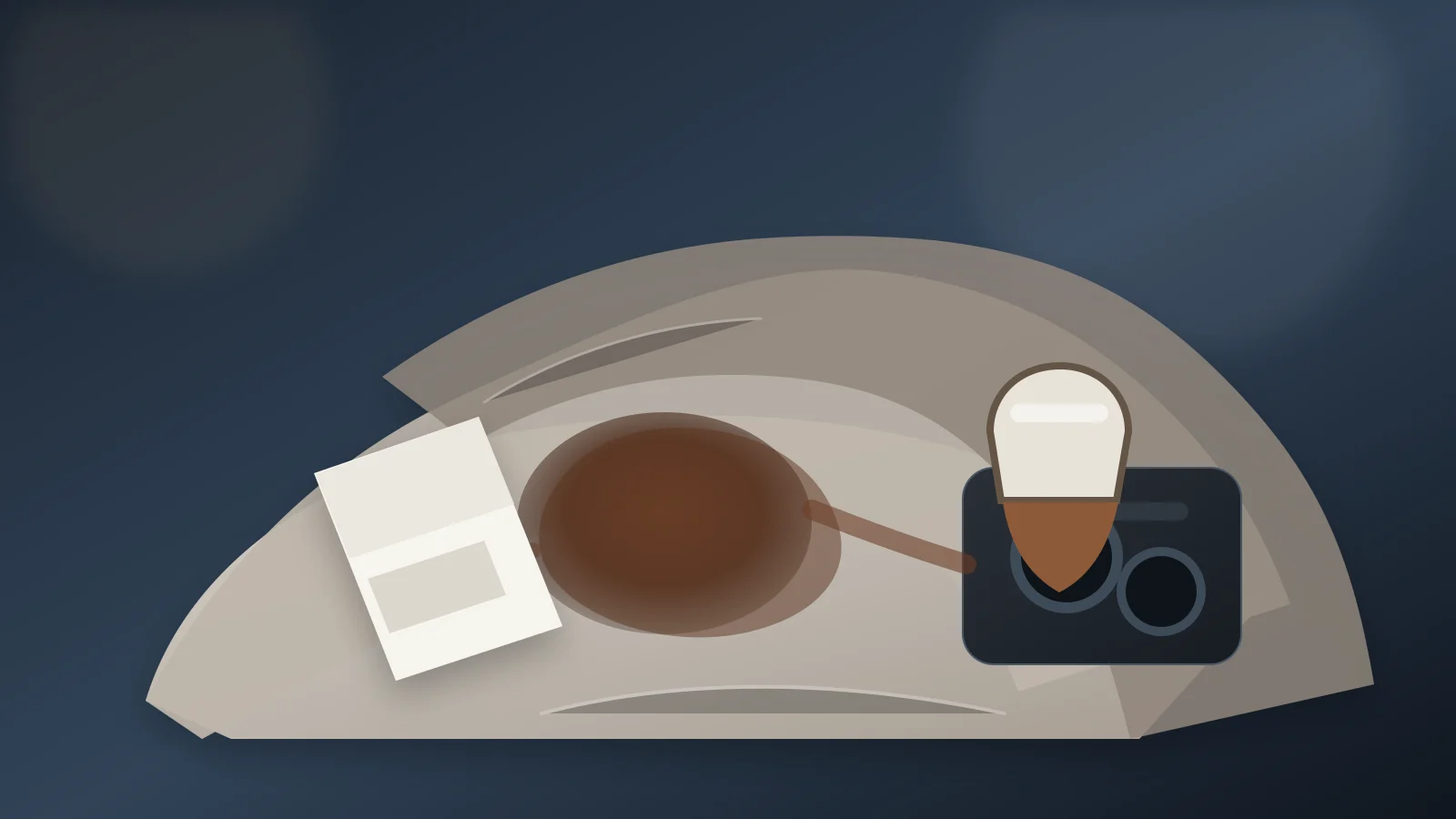
Why coffee spills become bigger interior problems so quickly
A coffee spill is rarely just dark liquid on the surface. Many drinks also carry sugar, dairy, flavoring, and heat, which means the mess can stain fabric, leave sticky residue in seams and cupholders, and start to smell sour if moisture stays trapped below the visible surface.
For Woodbridge-area commuters, the timing is usually bad. Coffee gets knocked over on the way to work, in a school pickup line, or during a stop-and-go drive, and the seat stays warm while the spill settles in. The sooner you switch from panic to a careful cleanup order, the better the result usually is.
Start with blotting, not scrubbing
Use a clean microfiber towel or plain paper towel to absorb as much liquid as possible right away. Press straight down, lift, and move to a dry section of the towel. Rubbing spreads the stain outward and pushes liquid deeper into seat foam, carpet backing, or console seams.
If the drink included milk, creamer, or syrup, assume the unseen residue matters too. The visible brown mark is only part of the problem when sweetened coffee has already reached stitching, plastic trim edges, or padding.
Use cool water if you need to dilute the spill
After the excess liquid is lifted, a small amount of cool or lukewarm water on a clean towel can help dilute what remains near the surface. Avoid hot water, heated seats, or parking the vehicle closed up in direct sun to “dry it faster.” Heat can set the stain and make the remaining sugars and proteins harder to manage.
Match the cleanup method to the material and the spill path
A coffee spill on cloth, coated leather, rubber mats, carpet, or glossy plastic does not need the exact same approach. Start with the least aggressive compatible cleaner for the affected material, and treat the places where the liquid traveled rather than only the center of the visible stain.
Cloth seats and carpet
Vacuum loose debris first if crumbs or dirt are mixed into the spill area. Then work in small sections with a fabric-safe cleaner and light agitation only when the label and the material support it. Do not flood the seat or carpet. Too much liquid can push the coffee deeper and make drying slower.
Coated leather or vinyl seats
Use a towel-first approach with a cleaner intended for that interior surface. Aggressive brushes, household degreasers, and over-wetting around perforations or seams can create a second problem. Focus on lifting residue from the surface and stitching rather than soaking it through.
Cupholders, console edges, and seat tracks
Coffee often splashes farther than the seat stain suggests. Wipe cupholders, console seams, buckle areas, and reachable seat-track edges with controlled product on a towel or brush. Sticky residue left in those tight areas is one of the main reasons a vehicle can still smell “off” after the obvious stain looks better.
What usually makes a coffee stain harder to fix
A quick cleanup can still fail if the liquid reaches the foam under the seat cover, the carpet padding, or the area beneath the console edge. That is why some “small” spills return later as a dark ring, sticky touchpoint, or sour smell even after the driver thought the seat was handled.
- Scrubbing a fresh spill outward instead of blotting it upward.
- Using too much product or water and leaving the seat or carpet slow to dry.
- Turning on heated seats or baking the spill in the sun right after it happens.
- Ignoring the cupholder, console, or floor area where the liquid also landed.
- Treating every seat material with the same cleaner and brush pressure.
Know when a deeper interior service is the practical next step
Home cleanup is often enough when the spill was recent, mostly black coffee, and limited to one easy-to-reach surface. A deeper interior appointment becomes more practical when the stain has dried for days, cream or sugar were involved, the spill traveled into carpet or seat seams, or the cabin already has other buildup that makes a focused cleanup harder.
ShadowShine currently offers Basic Interior, Deep Clean Interior, Full Detail, and Premium Detail packages. If the coffee spill is mainly an interior issue, compare the interior-focused services first. If the exterior also needs attention at the same appointment, a full-detail package may be the better fit.
Be direct when booking. Mention whether the seat is cloth or coated leather, whether the spill reached the floor, how long it sat, and whether a smell remains after drying. Those notes help set realistic expectations about what cleaning can improve and what may still require patience or further specialty attention.
FAQ: common coffee-spill questions before booking
Can a coffee stain come back after it looked gone?
Yes. A stain can reappear if residue stayed below the surface and wicks back up while the area dries, or if leftover sugar keeps attracting dirt. That is one reason slow drying and incomplete cleanup can be frustrating.
What if the coffee had milk or creamer in it?
Treat it more urgently. Dairy and sweeteners raise the chance of a sour smell if the spill reaches deeper layers and stays damp. Blot, clean the surrounding splash path, and dry the area thoroughly instead of only chasing the visible brown mark.
When should I stop trying home cleanup and book service?
Book when the stain has set for more than a day, the spill reached the floor or seat foam, sticky residue remains in seams or cupholders, or the cabin still smells off after the area is dry. It also makes sense when the rest of the interior already needs a broader reset.